


A plan to drastically cut carbon emissions in North Carolina has been widely criticized.
Environmental groups believe the state’s first carbon plan lacks detail, while other critics worry that overreliance on renewable energy will be costly for the state. . Some customers believe that more renewable energy means less reliable grids.
State regulators don’t dictate how Duke Energy will achieve its goals, but they do require utilities to use a mix of energy sources.
Will Scott, Director of Southeastern Climate and Energy at the Environmental Defense Fund (EDF) said: “What we’ve seen in this last round is that if you actually choose the most economical option, you’ll mostly end up with a mix of battery, wind and solar over the next decade. ”
- Buy more solar by 2024 to be online by 2028
- Possession, consideration of expansion
- increase battery capacity
- Transmission facility upgrade
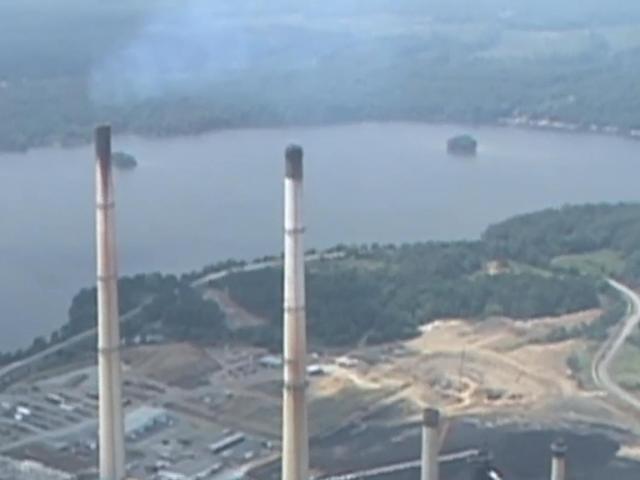
- Retire coal-fired power units by 2035
- Research on offshore wind power development
- Plan to engage low-income, minority and rural communities
“This is one of our state, time and future biggest investments,” says Scott.
The state commission’s order “establishes a least-cost pathway to meet the carbon emission reduction obligations of House Bill 951 and reduces the carbon footprint of North Carolina power generation facilities owned or operated by Duke Energy Progress LLC. 70{ea2cba5bdf6fe62bbe85e24807814144a71e77d3ae7311fbc27a008558d1372c} reduction”, and Duke Energy Carolinas, LLC (Duke) to achieve carbon neutrality by 2050 from 2005 levels by 2030 while maintaining or improving electrical system reliability. It will come true. “
“One of the things the plan has mandated further research is how to get rid of those emissions if we order a gas plant with a lifetime over 2050 that is supposed to achieve net zero. That’s it,” said Scott.
Duke Energy spokesman Bill Norton released a statement about the plans on December 30.
“We believe this is a positive outcome that will advance the clean energy transition and support a diverse ‘all of the above’ approach that is essential for long-term resource planning,” the statement said. increase. “We have already made incredible progress, retiring two-thirds of our aging coal plants in North and South Carolina and reducing our emissions by more than 40{ea2cba5bdf6fe62bbe85e24807814144a71e77d3ae7311fbc27a008558d1372c} since 2005. We will continue this ongoing commitment to reducing our carbon footprint and mitigating risk, balancing affordability and reliability while satisfying our customers.
“The communities we serve have already realized the benefits of this transition. We look forward to a thorough review of the NCUC mandate and incorporating it into our resource plans, including filing in South Carolina in August 2023. I have.”
The North Carolina Public Utilities Commission has released its own statement.
“This month’s Emergency Shutdown event particularly highlights the need for an orderly transition from fossil fuels to low-carbon, zero-carbon power generation sources,” part of the commission’s statement said. I read part of the committee’s statement.
Scott worries that the plan will leave the window open for Duke Energy to build a new gas plant.
“I really think the economic models have shown that they can be replaced more cheaply with a combination of battery storage and renewable energy,” Scott said.
Duke Energy has until September 2023 to submit new proposals.
The North Carolina Public Utilities Commission is required to review the plan every two years.
Other Reactions to the Carbon Plan
On Monday, John Locke Foundation CEO Amy Cook issued a statement regarding the plans of the North Carolina Public Utilities Commission.
“China emits enough carbon dioxide to wipe out North Carolina’s gains in minutes, but the North Carolina Public Utilities Commission has warned of higher bills and colder weather during the winter. We chose to let state rate payers pay for the energy plans that insure our homes,” Cook wrote. “Our initial analysis of the Public Utilities Commission’s report suggests that it may not be fully compliant with House Bill 951, the bipartisan legislation passed by Congress and signed into law by Gov. Roy Cooper. It shows that there is
Much of Duke Energy’s carbon savings come from decommissioning coal-fired power plants.
“To achieve the next 50{ea2cba5bdf6fe62bbe85e24807814144a71e77d3ae7311fbc27a008558d1372c} emissions reduction, we need to really integrate the low-cost energy options of solar, battery and wind, and understand how the perfect combination works.” said Scott.