


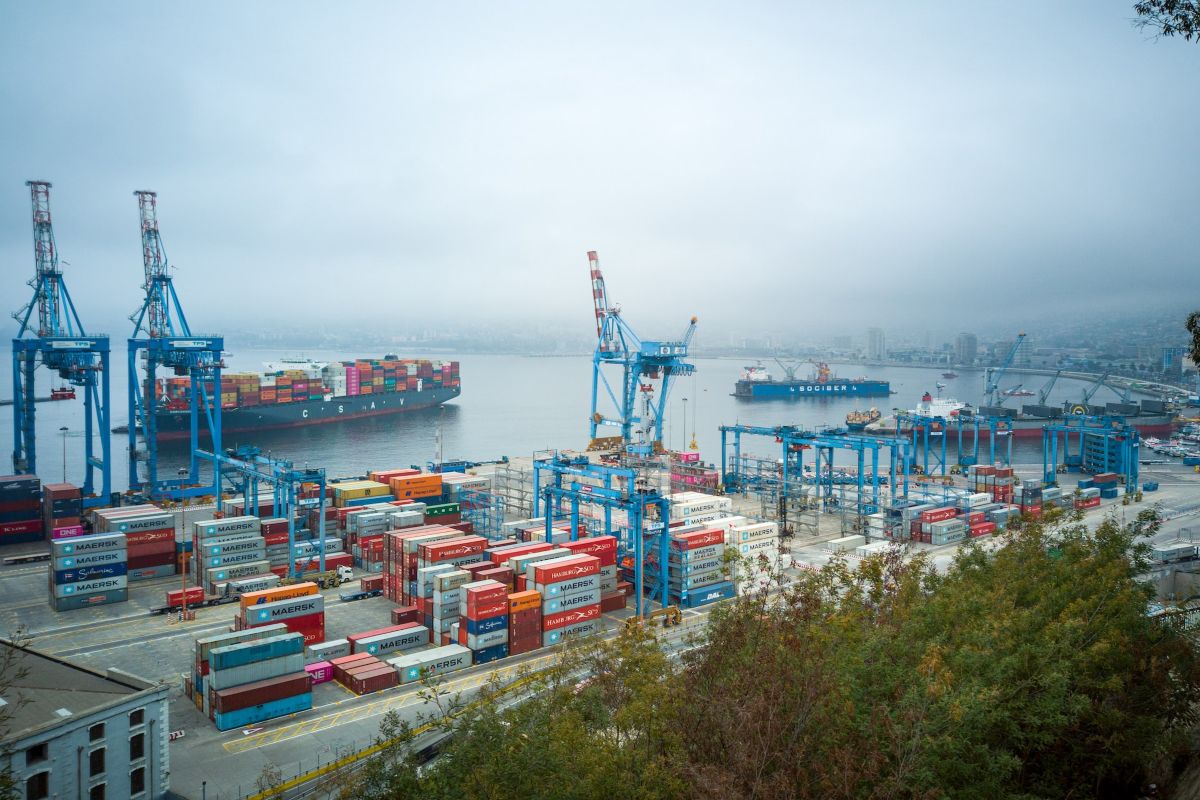
In the aftermath of the covid-19 pandemic, adapting and using your business is more important than ever. Supply chain resilience is a hot topic these days. Whether we’re discussing bottlenecks, theft, supply chain issues, or other issues, the need for supply chain resilience is proven every day.
But how can you make your supply chain more resilient and keep your company running smoothly? Implement software solutions and other tools to keep your supply chain well-managed and strong. Here’s how building a resilient supply chain can help.
What is supply chain resilience?
Supply chain resilience is an umbrella term that encompasses a wide variety of concepts. At its most basic definition, supply chain resilience means finding ways to: Manage risk across your supply chain.
Whether it’s logistics, cost control or other adaptations, the importance of building supply chain resilience cannot be overemphasized. Resources such as automation and artificial intelligence tools can help companies build resilient supply chains. Of course, these resources do not exist in isolation and require some training to be useful.
Managers implementing and integrating supply chain resilience software into their businesses should keep that in mind as they move forward with their plans. Fortunately, these resources are so easy to work with and use that supply chain software can really add to any resiliency plan.
Common supply chain issues
The many critical and challenging challenges facing supply chains today are increasing the need for supply chain resilience. Natural disasterstechnology failures, market shifts, pandemics, and other unforeseen events can wreak havoc on supply chains.
Management should investigate supply chain disruptions and their root causes and assess the risks associated with them. Software solutions leverage pooled resources, artificial intelligence, and cloud-based tools to help identify and remedy common supply chain problems.
1. Using continuous planning
In supply chain modeling, continuous design is a simple way to improve supply chain resilience. Continuous design supply chain modeling uses advanced analytics and data-driven decision making to optimize your supply chain. It covers critical resources, policies, chain design, and risk assessment.
Supply chain design also covers short-term and long-term aspects of supply chain execution, making it an invaluable tool for making changes in the competitive landscape. Establishing clear communication procedures for designing your supply chain will help your team adapt and make the key decisions needed to keep your supply chain as resilient as possible.
Additionally, the implementation Supply chain resilience software We help you do everything you need to keep your supply chain in top shape.
2. The Need for Digitization of Supply Chains
In the modern world it makes no sense to do it manually. With powerful technologies such as artificial intelligence and machine learning readily available, there is no reason not to digitize his supply chain.
Digitization leads to greater supply chain visibility—the ability to track the flow of raw materials, goods, and services throughout the supply chain in real time—and streamlines many of the more complex processes associated with supply chain management. .
Digitization also helps companies establish clear communication policies that help them create cross-functional teams to manage support chains and make informed decisions.
Digitization also helps create a digital twin of your supply chain. This allows you to effectively model and strategically plan your next move without risking failure.
3. Better decision making
Critical decisions as bread and butter to run your supply chain efficiently. Implementing supply chain resilience software gives you access to a variety of useful and useful features.
These include risk analysis to help identify risks associated with the supply chain. You can also prepare effectively with demand forecasting that helps you optimize inventory, avoid overproduction, prevent overstocking, and anticipate demand spikes.
Finally, there is supply network optimization. This helps identify potential supply and network issues. Ultimately, all of these capabilities make investing in supply chain resilience software a viable move for businesses, especially when the economy turns left and you need to strengthen your supply chain as much as possible.
You may like reading:
author: Eri
14