


three latino construction worker He was one of at least 260 Latino workers who have died from workplace injuries in North Carolina since 2000, according to a survey released last year.
Before becoming an epidemiologist at UNC Chapel Hill, principal investigator Morgan Ritchie worked in one of the nation’s deadliest industries for Latino men: construction. That’s when he began to wonder about his occupational hazards and how it affected his Latino colleagues.
On days of bad weather, when the situation is not very safe, he has noticed a tendency.
“This is my experience with who can go up on the roof on a windy day and who can say no,” Richie said. Some people have to keep paying their bills, and some people have to keep paying their rent.”
As a researcher, he wanted to understand the risks Latinx workers faced in the state and how often they died on the job.
To do that, he had his team scrutinize autopsy records, police reports, and eyewitness accounts from across the state. Researchers have compiled thousands of records from his 2000 to his 2017. During this period, North Carolina’s Latino workforce increased by 226{ea2cba5bdf6fe62bbe85e24807814144a71e77d3ae7311fbc27a008558d1372c} to more than 400,000 workers.
However, there were some pressing challenges in analyzing the data.
“Very often, under ethnicity, it was blank or had someone’s country of origin written on it,” he said. We had to do a lot of data cleaning and search other sources to see if someone was Latino.”
Cleaning up the data confirmed one of their suspicions.

American Journal of Industrial Medicine, “Trends in Fatal Occupational Injuries Among Latinos/Workers Compared to Other Groups, North Carolina 2000–2017.”
/
In all but one year from 2000 to 2017, Latinos had the highest rate of fatal work-related injuries.
“Of course it was very worrying,” Richie said.
They found that construction and agriculture killed the most Latinos. Of his 259 Latinos identified in the survey, more than half were men who died at construction sites. When looking at the number of dead workers per 100,000 population, Latinx and black construction workers had similar mortality rates.
Richey said there are signs in the data that workers are becoming safer and inequality is narrowing.
“Workplace mortality in the United States was once very high. Now it’s very low,” he said. “But among Latino workers here in North Carolina, the rate was very high in the early 2000s. It has since dropped to virtually the same as for white and black workers.”
But between 2015 and 2017, worker mortality rates for all workers in North Carolina began to rise again, Ritchie said.
“We hope that future funding will allow us to continue these surveillance studies to identify these signs and see if these rates are changing,” he said. I got
He added that he wanted to avoid the word accident when it came to deaths at work. This means that these incidents are inevitable.
“There are a lot of people who personally find the regulations to be very restrictive,” he said. “But it reminds them that these regulations are written in blood. Someone paid the ultimate price. And we tried to learn from this.”
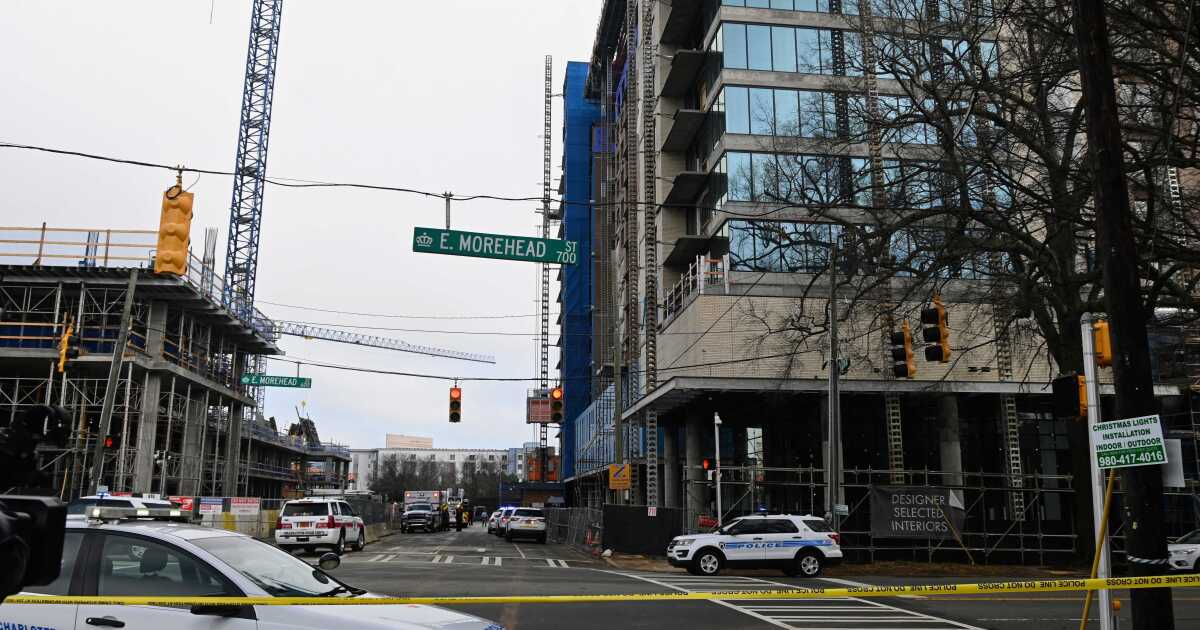
The North Carolina Department of Labor declined to comment on the deaths in a Hanover East Morehead apartment earlier this week, saying the case was an open investigation. The Hanover Company also did not respond to a request for comment.
