


Number of food truck operators soared These days, for good reason. First of all, food truck businesses are incredibly profitable and a lot of fun to run (albeit a lot of work).
If you recently started your own food truck business, or are about to start, read on for the best tips for running a successful business.
1. Track maintenance
One of the biggest risks with any food truck business is the truck breaking down. Maintenance cannot completely prevent failures, but it can certainly reduce the risk. Preventative maintenance is key to keeping your truck running. If you notice the slightest possibility of a technical problem with your track, we recommend that you stop temporarily, fix the problem, and then try again.
Ideally, you should invest in a heavy-duty vehicle that can withstand a lot of wear and tear before it breaks down.
2. Think beyond street service
Some food truck businesses stagnate over time because their owners don’t think about anything other than street service. Street service, of course, is the beginning of every food truck business. But as time goes on and your reputation grows, you can start looking for clients at private and public events.
If your business has become known for serving quality food, there’s no reason why you can’t take full advantage of off-site catering opportunities.
3. Identify your target audience
The most successful food truck businesses have a clear understanding of their target audience. Simply put, food trucks are too small to prepare every dish on earth. So you need to decide what kind of food you will offer and where your potential takers will be placed.
Additionally, identifying your target audience can help you build your brand. For example, if your food truck business primarily serves Chinese food, you can add Chinese design elements to your truck.
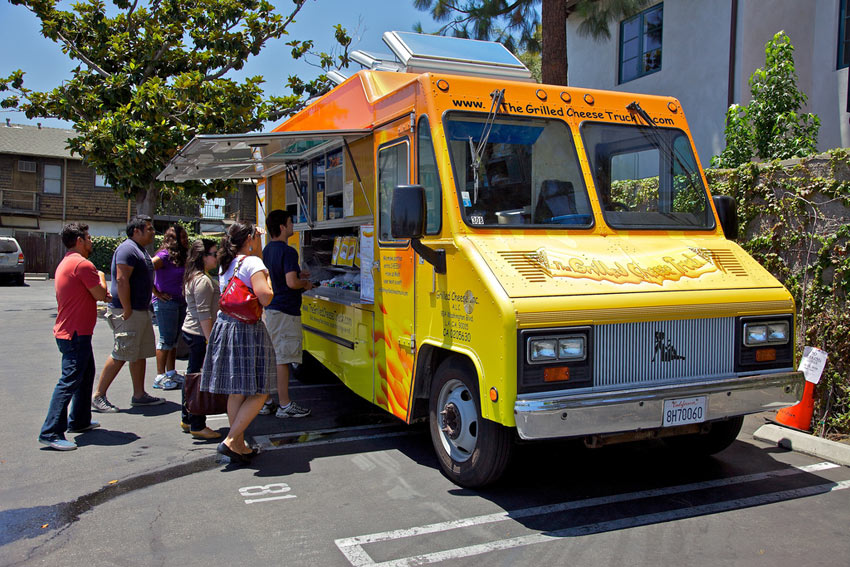
4. Pay attention to technical requirements
A food truck business is a mobile business, and the logistics associated with a mobile business are fundamentally different than those associated with a physical store. For example, a food truck business cannot operate without a point of sale (POS) solution. Additionally, the solution should be highly flexible. In other words, it must have offline capabilities. Otherwise, you will lose both your time and a lot of money.
5. Obtain all necessary permits to avoid legal hassles
A food truck business requires various licenses and permits, and it’s important to sort them out before starting your business. Some permits and licenses may take time to secure. Therefore, it is essential to research well in advance.
Legal rules and regulations also tend to vary by location. For example, if a particular route crosses multiple states, the laws of all states must be followed. Otherwise, your business could end up in legitimate soup.
6. Make the most of social media
Before you head out to your food truck in search of your first customers, you should use social media to let people know about your business.Set up an official business page on platforms like Twitter, Instagram, Facebook, and Pinterest. . Once your page is set up, be active and post consistently on all pages.
Simply put, social media does a lot to build hype for your business. So when you finally hit the road, your target audience will have some idea of what your business is about.

7. Dedicate yourself to hard work
Last but not least, it’s important to remember that running a food truck business requires a lot of effort. On all working days, you should wake up early in the morning to ensure your vehicle is in good condition. Also, you should start preparing the day before and have everything in order.
So when you finally set out on your journey, you will be ready to serve your customers.
